

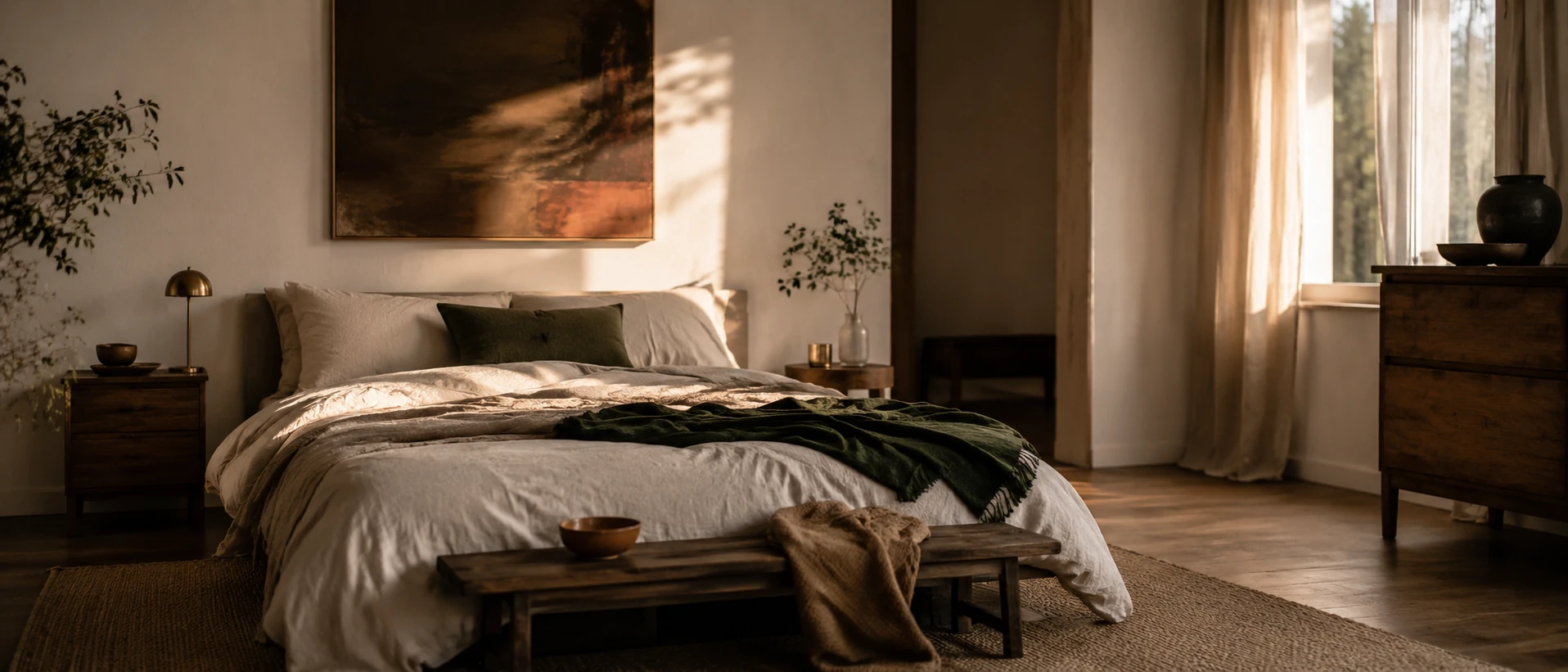
Bedroom
Everything in the bedroom that is not your mattress: lighting, side tables, smart alarms, decor, the small upgrades that make the room feel finished.
Editor's picks
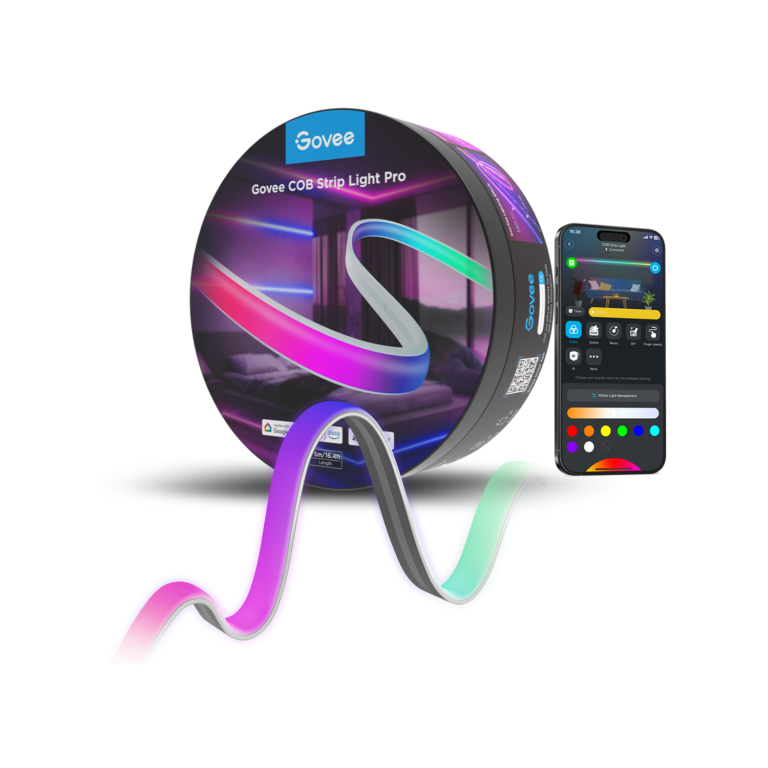
Govee LED Strip Light M1 Review (2026): The Matter Strip That Actually Delivers
The smart light strip most worth $79 in 2026 for renters. RGBIC chase effects justify the upgrade over single-color strips; Matter integration…
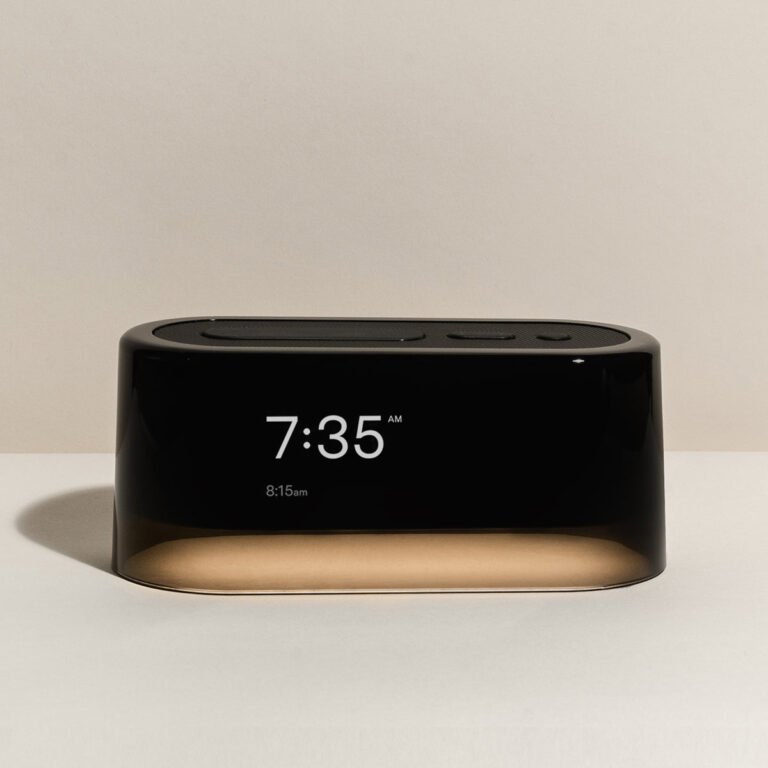
Loftie Clock Review (2026): The Phone-Free Bedside Pick
The two-phase alarm clock for readers specifically trying to leave the phone outside the bedroom. No-app daily use, built-in 4-7-8 breathing exercise,…
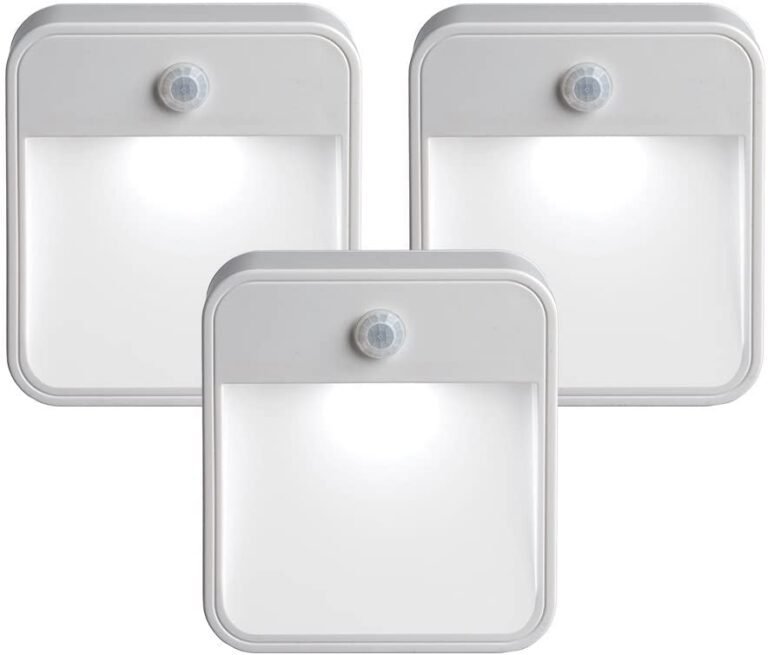
Mr. Beams Wireless LED Motion-Sensor Lights Review (2026)
The no-drill, no-wiring motion-sensor light for renters. 35-lumen output is correctly sized for navigation, not for tasks. Buy the 3-pack plus the…
READER FAVORITES
Most clicked this month
The products readers actually go check prices on, from our own click counter. Updated weekly.
Bedroom coverage on this site is the room angle, not the sleep angle. For the mattress + recovery + sleep-tech writeups go to the sleep pillar. This page covers what happens in the room around the bed: lighting that beats the landlord-installed overhead, no-drill wall decor that survives a move-out inspection, bedside surfaces when a real nightstand doesn’t fit, ambient sound for thin-wall buildings, and the layout moves that make a small rental bedroom feel finished instead of provisional.
The renter constraint shapes everything
Most bedroom-design content assumes you own the wall. You can drill anchors for a heavy floating shelf. You can install dimmers. You can mount a TV bracket without budgeting against your deposit. You can paint. Renters can’t do most of that without weighing every upgrade against the patch job 18 months from now.
Every pick on this page passes the renter filter: no drilling, no adhesives strong enough to pull paint, no permanent installation, no hub lock-in. Adhesives that peel cleanly with a hair-dryer on warm count. Adhesives that take paint with them don’t. We’ve removed the picks here across four different rentals and none of them left a mark. That’s the bar.
The good news is that the no-drill category has matured. There are serious products now (Command’s hook-and-loop picture strips, Matter-compatible smart lights, magnetic spice racks that fix a kitchen but also work on the metal underside of a desk) that mount with adhesive, tension, weight, or a battery. The bad news is that the category is also full of cheap-adhesive failure modes that show up at month two. We flag those in every review.
Wall decor that survives a move-out inspection
Walls are the single biggest visual surface in any bedroom, and the one renters most often leave bare because the no-drill options used to be unreliable. They aren’t anymore, if you use the right product on the right wall surface.
The workhorse is the 3M Command picture hanging strips. Used correctly on smooth painted drywall, they hold frames up to 16 pounds reliably and remove clean when you pull the tab straight down. The technique matters: wipe the wall with rubbing alcohol first (kills oils that prevent adhesion), press 60 seconds with firm even pressure, wait an hour before hanging anything, pull straight down to remove. Skip any of those steps and the failure rate goes up.
For floating shelves, the Umbra Cubist Wall Shelf at $25 to $35 mounts with the same Command-style adhesive plate and holds light decor (a candle, a small plant, a couple of paperbacks). Don’t push it past the rated weight; a heavy ceramic planter is the most common cause of a midnight crash.
What doesn’t work on most rental walls: cheap adhesive hooks, suction-cup hooks (fail on textured paint or humidity within weeks), and any sticker-back product on a freshly painted wall before the 21-day cure period. The full no-drill scope, including curtain rods and over-the-door systems, is in The Best No-Drill Bedroom Upgrades for Renters.
Lighting in three layers (the cheapest bedroom upgrade)
The fastest bedroom transformation is bulb-swap plus ambient strip plus bedside lamp. Total cost is under $100 across most rentals, total install time is about 15 minutes, and the visual change is larger than any single piece of furniture you could add at the same price.
Layer 1: swap every overhead bulb to 2700K. Most landlord-installed bulbs are 4000K or 5000K daylight, which is great for offices and terrible for bedrooms. 2700K is the warm color light reads as restful to your circadian system. The swap costs about $20 across a typical 1-bedroom and is the single largest bedroom-feel improvement under $25 we know of.
Layer 2: ambient strip behind a focal point. The Govee LED Strip M1 at around $70 is the Matter-compatible RGBIC strip we point most renters to. Stick it behind the headboard, under a floating shelf, or along the top edge of a dresser. The sunset-fade timer is the underused feature: set it to drop from 4000K to 2200K starting 30 minutes before your usual bedtime, and the bedroom transitions automatically without the harsh on-off of a wall switch. Adhesive backing peels off cleanly with a hair-dryer at move-out.
Layer 3: dark-corner motion lights. Most rentals have closets, hallways, and under-bed paths that the overhead never reaches. The Mr. Beams wireless LED motion-sensor lights at about $28 for a 3-pack solve the dark-closet problem with battery-powered puck lights that mount with adhesive or magnetic plates. Useful inside any cabinet, under the bed for late-night kid runs, and in the hallway between bedroom and bathroom. Battery life is typically 4 to 6 months on a fresh set depending on traffic.
The bedside surface (when a real nightstand doesn’t fit)
Studio and small-bedroom layouts often can’t fit a traditional nightstand. The pattern that works for most renters: a slim no-drill bedside organizer that doesn’t claim floor space, or a tension-mounted wall shelf at hand height. Either way, the goal is a flat surface big enough for a phone, glasses, a glass of water, and a book, without forcing you to put any of that on the floor.
For the bedside light, a basic plug-in lamp with a 2700K bulb is plenty. For the alarm, the strongest single move is replacing your phone with a dedicated bedside clock; the Loftie Clock at $165 is the pick that actually keeps people honest about the phone-free goal. If sunrise alarm is what you need, the Hatch Restore 2 at $170 is the more feature-rich option (sunrise + soundscape + meditation library all in one box), but the app-first design fights the phone-free goal that drives most readers to a bedside clock in the first place.
Ambient sound for thin-wall buildings
Apartment walls let noise through that single-family-home walls don’t. The neighbor’s TV, the unit above’s footsteps, the elevator door, the hallway conversation at 11pm. None of that is fixable from your side of the wall, but most of it is maskable with white noise.
The Loftie Clock and Hatch Restore 2 both include soundscape libraries that double as white noise. The Loftie’s library is smaller but built-in for free. The Hatch’s is larger with premium content behind the $4.99/month Hatch+ subscription. For sleepers who need stronger blackout against ambient light too, the Manta Sleep Mask at $35 is the eye-cup-design mask that doesn’t press on your eyelids the way cheaper masks do. The fuller picks across this category are in The 5 Best Sleep Tech Picks for Apartment Living.
Bedding as the bedroom’s visual layer
Sheets and bedding cover the largest visible surface in the room (the bed) and do roughly half of the room’s design work. Cheap sheets read as cheap from across the room. Good sheets read as finished, even when nothing else in the room is. The investment compounds because you see the bed every time you walk into the room.
For sheets, the picks across price tiers live in our reviews of Brooklinen Luxe sateen sheets (the smooth premium feel) and Cozy Earth bamboo sheets (the cooling pick for hot sleepers). The comforter pick that earns its price most reliably is the Buffy Cloud comforter. For pillows, the Coop Eden adjustable pillow is the most-recommended pick across our sleep coverage because the adjustability solves the position-mismatch problem cheaper pillows can’t.
For full bedding rankings across price tiers and sleeper profiles, see Best Bedding for Hot Sleepers or the sleep pillar’s broader coverage.
Small bedroom layout (before you spend on anything)
The cheapest bedroom upgrade isn’t a product. It’s bed placement and the layered-light rule.
Push the bed against the longest wall, not the corner. Symmetry around the bed reads as more space than asymmetry. If you have to corner it (studio constraints, weird HVAC), leave at least 6 inches of clearance on the wall side for sheets and air.
Light at three heights. Overhead, mid (a wall-mounted strip or a clip lamp), and floor or under-bed. The trick to making a small bedroom feel airy is layered light, not brighter light.
One large piece of art beats five small ones. A single 24-by-36-inch print above the bed makes the wall feel intentional. Five small frames make it feel cluttered.
For the full layout walkthrough including bedroom-as-also-office layouts, see How to Arrange a Small Bedroom for Better Sleep: The Renter’s Layout Guide.
All bedroom coverage
Guides:
Listicles:
Reviews (bedroom-relevant from our sleep + apartment coverage):
- Govee LED Strip M1 (Matter-compatible ambient lighting)
- Mr. Beams wireless LED motion-sensor lights
- Loftie Clock (the phone-free bedside alarm)
- Hatch Restore 2 (all-in-one bedside system)
- 3M Command Picture Hanging Strips
- Manta Sleep Mask
- Coop Eden adjustable pillow
- Brooklinen Luxe sateen sheets
- Cozy Earth bamboo sheets
- Buffy Cloud comforter
For the mattress side specifically (the biggest single bedroom purchase), browse the sleep pillar. For the wider apartment context (storage, kitchen, no-drill wall decor that extends past the bedroom), see the apartment pillar.
Frequently asked questions
What’s the single highest-leverage bedroom upgrade under $50? Swap every overhead bulb in the bedroom to 2700K warm-white LED. The change in how the room feels at 9pm is larger than any single piece of furniture you could add at the same price. Total cost about $20 across a typical bedroom. Total install time about 5 minutes.
Can Command Strips hold real wall decor or just lightweight stuff? Command picture hanging strips (the Velcro-style ones, not the basic hooks) are rated up to 16 pounds per pair on smooth painted drywall. We’ve held a 12-pound framed mirror for 18 months in a previous apartment with no damage at removal. The rules: wipe the wall with rubbing alcohol first, press 60 seconds, wait an hour before hanging anything, pull straight down to remove. On textured walls (orange-peel, knockdown), the failure rate is high. Don’t try.
Will the Govee LED strip damage my walls when I move out? Not if you remove carefully. Warm the adhesive backing with a hair-dryer on warm setting (not hot), then peel slowly from one end. We’ve removed multiple lengths across rentals with zero paint damage. Test a small section before the final install if your paint is brittle or recently applied (wait the full 21-day cure before mounting anything).
What’s the cheapest fix for noisy neighbors in an apartment bedroom? White noise. The neighbor’s footsteps and the unit-above bass are mostly maskable with continuous broadband noise. A bedside clock with a built-in soundscape library (Loftie or Hatch Restore 2) handles it for around $170. A basic dedicated white noise machine like the Yogasleep Dohm does it for around $50 if you don’t need the clock function. Earplugs are the under-$10 floor.
How do I make a small bedroom feel less cluttered? Bed centered on the longest wall (symmetry reads as space). One large piece of art rather than a gallery of small ones. Light at three heights instead of one overhead. Storage that lives under the bed or behind the door instead of on the floor or on dressers. The full walkthrough is in our small-bedroom layout guide.
Last updated: May 2026. Prices and availability shift; verify current details on the retailer listing before you buy. For more across the site, browse our sleep pillar, our apartment-living pillar, or the About page.
All reviews
Govee LED Strip Light M1 Review (2026): The Matter Strip That Actually Delivers
The smart light strip most worth $79 in 2026 for renters. RGBIC chase effects justify the upgrade over single-color strips; Matter integration…
Mr. Beams Wireless LED Motion-Sensor Lights Review (2026)
The no-drill, no-wiring motion-sensor light for renters. 35-lumen output is correctly sized for navigation, not for tasks. Buy the 3-pack plus the…
Loftie Clock Review (2026): The Phone-Free Bedside Pick
The two-phase alarm clock for readers specifically trying to leave the phone outside the bedroom. No-app daily use, built-in 4-7-8 breathing exercise,…
No reviews match this filter combination.