Honest reviews, every week. Subscribe →
Hatch

Hatch Restore 2 Review (2026): Worth the Subscription?

7.8 / 10 Editor's rating

A well-built sunrise alarm and sound machine with a genuinely pleasant wake-up, but the Hatch+ subscription shapes the experience and the app can be inconsistent. Strong if you'll use the content library; less compelling if you won't.

$170
Check price on Amazon

Pros

  • Gradual sunrise wake is genuinely better than a phone alarm
  • Quiet, modern fabric design fits a real bedroom
  • On-device buttons keep your phone off the nightstand
  • Highly customizable routines for wind-down and wake-up

Cons

  • Best content lives behind the Hatch+ subscription ($49.99/yr)
  • App can be sluggish and occasionally buggy
  • No battery backup if power goes out
  • Requires Wi-Fi; doesn't travel well
Best for People trying to get their phone off the nightstand Light sleepers who respond to gradual wake cues Buyers who want a calm, design-forward bedside device
Skip if Anyone who refuses subscription software in physical products Frequent travelers who need a portable alarm Heavy sleepers who need a loud, abrupt alarm

Some links on this page are affiliate links. If you buy through them, we may earn a commission at no extra cost to you. We only recommend products we’d be comfortable using ourselves, and we flag the trade-offs honestly.

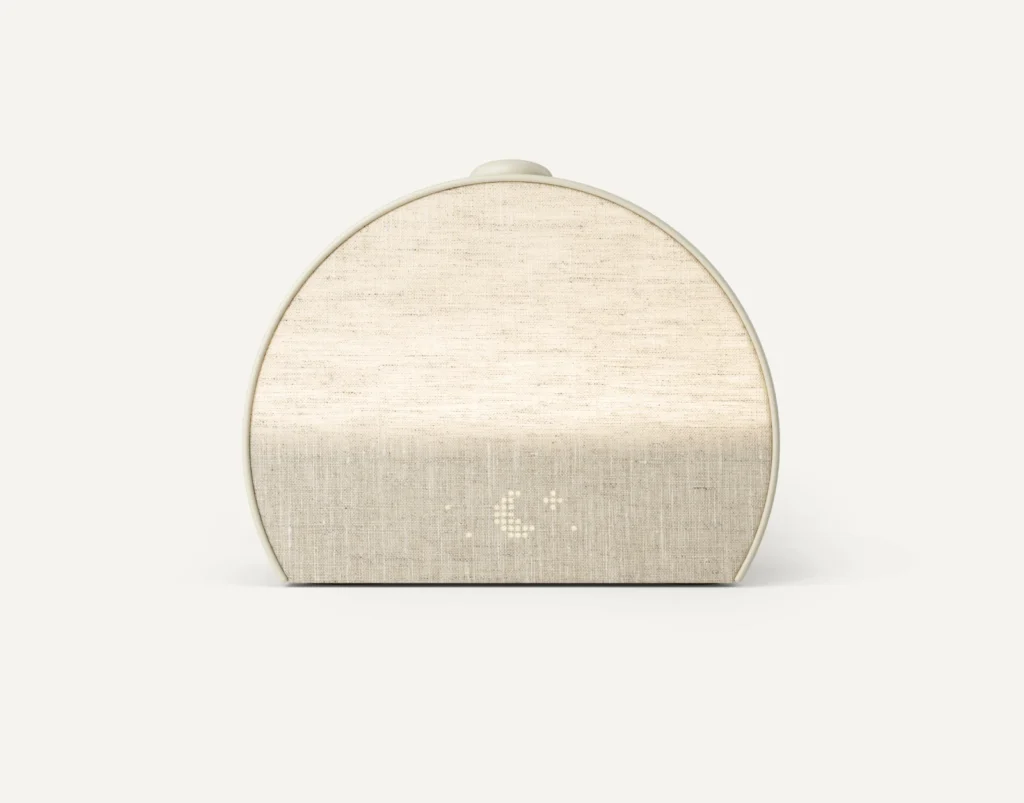
The Hatch Restore 2 is the bedside device that keeps showing up on TikTok For You pages and on the nightstands of people who’d rather not start the day with a phone alarm. It’s a sunrise alarm clock, a sound machine, and a dimmable nightlight in one squat, linen-wrapped package. It’s also the device with one of the loudest debates in the smart-sleep category: how much of what makes it good is locked behind the Hatch+ subscription. This is a buyer’s guide written for people trying to answer that exact question.

TL;DR verdict

The Restore 2 is a well-built, genuinely pleasant way to wake up. The sunrise simulation is the standout feature, the fabric-wrapped design fits a modern bedroom, and the on-device buttons keep your phone out of the morning. But the experience is shaped (and to some extent gated) by the optional Hatch+ subscription, which costs $4.99/month or $49.99/year. The hardware is fully usable without it, but the content library that justifies the price tag mostly lives behind the paywall. If you’re willing to budget for the subscription on top of the device, it’s a strong pick. If you want a one-time purchase that delivers everything on day one, the Loftie Clock is the more honest fit.

What it is

The Restore 2 is a Wi-Fi connected bedside device that does three jobs. First, it’s a sunrise alarm: a panel of warm LEDs that fade up gradually before your wake time, paired with a chosen sound. Second, it’s a sound machine: white, pink, and brown noise plus a library of nature sounds, ambient tracks, and (with the subscription) sleep stories and meditations. Third, it’s a dimmable nightlight and reading light with adjustable color temperatures designed not to suppress melatonin in the evening.

The hardware itself is straightforward. The unit is wrapped in natural linen fabric and comes in three colors (slate, latte, and putty). On top sit two large physical buttons, one to start your wind-down (Rest) routine, one to snooze or dismiss your wake (Rise) routine. A side switch toggles the alarm on and off so you can travel through your nightly ritual without unlocking your phone. Inside, three speakers replaced the single driver from the original Restore, which gives the audio more body than you’d expect from a device this small. There is no battery backup; if you lose power, the alarm won’t fire.

Compared to the original Restore (now several years old), the Restore 2 adds the linen finish, the redesigned button layout, the upgraded three-speaker array, ten sunrise alarm options, and 21 additional sleep sounds. It also introduced the “Morning Moment” routine concept, which is gated behind Hatch+. If you already own the original Restore and you’re happy with it, the upgrade isn’t urgent. If you’re shopping new, the Restore 2 (or the newer Restore 3) is what you’ll find on shelves.

Hatch+ subscription: what’s gated, what’s not

This is the question almost every prospective buyer asks, so I’ll be specific.

Free with the device: the core sunrise alarm function, a sleep routine you can build from a baseline of 24 sleep sounds and 18 light colors, four “Unwind” channels of curated wind-down content, the dimmable nightlight, and all of the on-device controls. You can absolutely use the Restore 2 every night, set a sunrise wake-up, and run a basic wind-down without ever paying Hatch a recurring dollar.

Behind the Hatch+ paywall ($4.99/mo or $49.99/yr): the larger library of 60+ sleep sounds, the full set of ambient lights (including sunset, dynamic, circadian red, and zodiac scenes), the Morning Moment routine, and an expanding library of guided meditations, stretches, sound baths, and “cozy grown-up” sleep stories. Hatch is constantly adding to this library, which is part of the subscription’s value if you intend to use that content and part of the frustration if you don’t.

One detail worth flagging because it surprises new owners: in the current app, if you delete a custom alarm that uses a Hatch+ sound after your free trial expires, you may need to rebuild the alarm using only free-tier content. Owners commonly mention this as the moment the subscription pressure feels most real. Several reviewers describe the onboarding flow as nudging hard toward starting a Hatch+ trial during setup. The trial is free, and you can decline it, but it’s not always obvious how.

My take: if the daily appeal for you is the sunrise alarm plus a single white-noise track, the free tier is genuinely sufficient and the device earns its price on hardware alone. If the appeal is the broader content library (meditations, varied soundscapes, story-led wind-downs). You should plan on $50 a year on top of the hardware and add it to the math. Pretending the subscription is optional in that scenario is how people end up resentful three months in.

Check price on Amazon →

What owners consistently mention

Pulling together patterns from long-form reviews on Tom’s Guide, Engadget, Reviewed, NBC Select, and several thousand verified buyer reviews on Amazon and Walmart, a few themes show up repeatedly.

What owners love. The sunrise simulation is the most-praised feature. Owners describe waking up gradually, with light and sound layered together, as a meaningful improvement over a phone alarm, less startled, less cortisol-spike, easier to actually get out of bed. The on-device buttons get singled out by people who were specifically trying to get their phones off the nightstand. The fabric finish and color options are mentioned often as a reason owners chose Restore 2 over more clinical-looking alternatives. Customization is the other recurring praise: the ability to layer a specific light color with a specific sound at a specific volume across multiple stages of a routine is the kind of detail that turns casual users into daily ones.

Common complaints. The subscription model is the most frequent and the most pointed. Some owners describe feeling pushed toward Hatch+ during setup; others are simply frustrated that a $170 device still asks for a recurring fee. App reliability comes up next. Occasional sluggishness, control taps that don’t always register, alarms that don’t reflect updates from the widget, and the dependency on Wi-Fi for changes to take effect. A smaller but real cluster of owners report sound quality issues with their specific units (“speaker sounds blown,” muddy at higher volumes), which suggests some unit-to-unit variance. The lack of battery backup is also flagged by owners who’ve lost power overnight and missed a wake-up. None of these are dealbreakers in isolation; together they’re the texture of living with a connected device that asks for a subscription.

Who it’s for, and who should skip it

Buy the Restore 2 if you’ve decided to get your phone out of bed and want a dedicated device that handles wind-down and wake-up; you respond well to gradual light as a wake cue and find harsh phone alarms genuinely jarring; you like the idea of curated meditations and sleep stories and would actually use a content library; or you care about how the device looks on the nightstand and want something that fits a calmer aesthetic.

Skip the Restore 2 if you bristle at subscription software in physical products and want everything you paid for to work without recurring fees; you travel often and need an alarm clock that survives a power outage or works without Wi-Fi; you’re a heavy sleeper who needs an alarm loud and abrupt enough to drag you out of bed regardless of light; or you want a true smart-home hub. The Restore 2 doesn’t integrate with Alexa, Google Home, or HomeKit.

How it compares

vs. Loftie Clock (~$149): Loftie is the no-subscription answer to the same problem. It includes 100+ sounds, a two-stage gentle alarm, breathwork, meditations, and short bedtime stories, all without a recurring fee. It also has a battery backup and travels well. The trade-off: Loftie’s wake light is a soft amber glow, not a full sunrise simulation, so the Restore 2 is genuinely better at the dawn-mimicking part. If sunrise matters most, Hatch wins. If subscription-free ownership matters most, Loftie wins clearly. There’s an optional Loftie+ membership for expanded story content, but the core device is fully usable without it.

vs. Philips SmartSleep HF3650 (~$180): Philips is the original wake-light brand, and the HF3650 still produces one of the most realistic sunrises on the market. Testing typically shows higher lux at the eye than Hatch at the same distance. It includes RelaxBreathe, FM radio, and works as a one-time purchase with no app or subscription. The trade-offs are aesthetic and functional: the device looks dated next to the Restore 2, the sound library is small, and the controls live on the device itself rather than in a polished app. If you only care about the wake-up light and want zero ongoing cost, Philips is the more durable buy. If you want a richer wind-down ecosystem and you’ll use it, Hatch makes more sense.

Setup and app experience

From the patterns in owner reviews, setup is generally quick. You plug in the device, download the Hatch Sleep app, create an account, and pair over Wi-Fi (the Restore 2 needs 2.4 GHz). Most owners report being up and running within 10 to 15 minutes. A subset run into pairing problems if their router is far from the bedroom or if 2.4 GHz isn’t enabled separately on their network. If you have a mesh router, expect to fiddle.

The app itself is the make-or-break element. When it works, it’s clean and methodical: you build a Rest routine (multiple stages of light, sound, and duration), a Sleep routine (what plays through the night), and a Rise routine (what your wake-up looks like). You can save multiple routines for weekdays vs. weekends. When it doesn’t work (owners report intermittent slowness, occasional missed pushes to the device, and bugs around widgets and recurring alarms). It’s a noticeable friction. None of the reported bugs are catastrophic, but a sleep device whose value depends on a working app should be held to a higher bar than a generic IoT light bulb. I’d say the app is good, not great.

One usability note worth knowing in advance: most settings can only be changed in the app. The on-device buttons handle the daily “start the routine” and “snooze” actions, but if you want to adjust an alarm time at 11 PM, you’ll be unlocking your phone to do it. That’s part of the trade-off for keeping the device itself simple.

Where to buy and price context

The Restore 2 currently lists at $169.99 across most retailers, down from a $199 launch price in 2023. Hatch.co and Amazon are the two main channels, plus Best Buy, Target, and Walmart for in-store pickup. Pricing is generally consistent between Hatch.co and Amazon at MSRP. Where Amazon pulls ahead is during promotional windows: Black Friday, Prime Day, and post-holiday clearance have historically taken the device into the $140s. If you’re not in a hurry, watching for one of those windows can save 15 to 20 percent.

Note that the Restore 3 is also now on the market. The Restore 3 added a few hardware refinements over the Restore 2 but kept the same Hatch+ model. If you want the latest version and are willing to pay full retail, the Restore 3 is the current flagship. If you’re looking for value and the Restore 2 is the model on sale, the experience is largely the same and the savings are real.

One pricing pattern worth knowing: Hatch frequently bundles a Hatch+ trial with the device. The trial is genuinely free and you can cancel before it converts, but you have to actually cancel. If you don’t intend to subscribe, set a calendar reminder for a few days before the trial ends.

Living in a small bedroom or rental? The Hatch is featured as our pick for sunrise alarm in The Best Sleep Tech for Renters and Tiny Bedrooms (2026), alongside three other apartment-friendly picks and a $50 white-noise machine for thin walls.

Final verdict

The Hatch Restore 2 is a good product with one honest asterisk: the experience the marketing describes is the experience you get with Hatch+ active. The hardware is well-made, the sunrise simulation is genuinely better than waking up to a phone, the design fits a modern bedroom, and getting your phone off the nightstand is a real quality-of-life win. The friction is the subscription pressure and the occasional app reliability complaints, both of which are worth weighing before you buy.

If you’re already inclined to use a guided meditation library and you’re comfortable budgeting $50 a year for content alongside the hardware, the Restore 2 is one of the most polished sleep-tech buys at this price. If recurring fees in physical products bother you on principle, the Loftie Clock does most of the same job without one and deserves a serious look.

Overall rating: 7.8 / 10. Check price on Amazon →

Last updated: May 3, 2026. Pricing, subscription terms, and content libraries can change. Verify current details on Hatch.co and the retailer’s site before you buy.