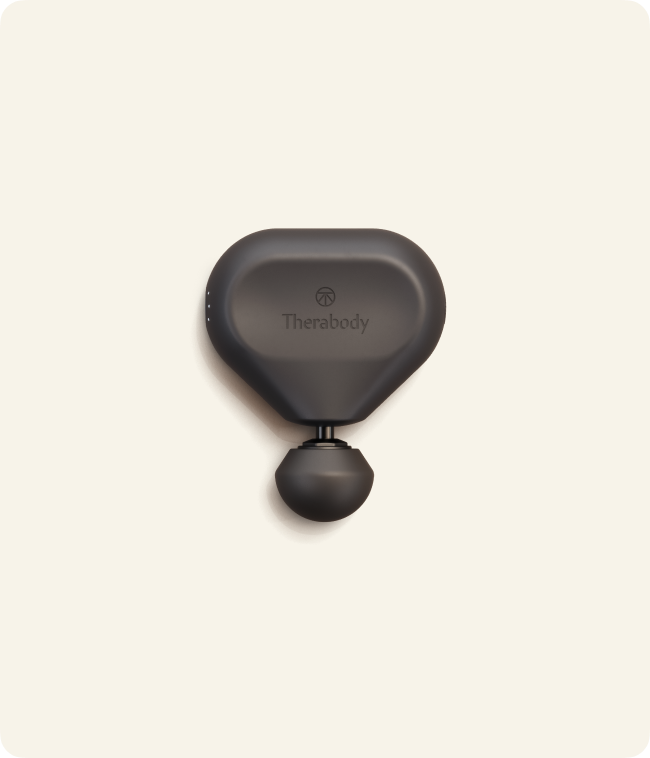
Theragun Mini Review (2026): Is the Brand Premium Worth It?
The portable percussive massager for athletes and frequent travelers. 10mm amplitude and 20 lbs of stall force are the specs that separate it from off-brand competitors at half the price. Skip for upper-back tension (get the full-size Pro) or occasional light maintenance (the Renpho is good enough).

Pros
- Genuinely portable, about 1 lb, fits a carry-on personal item
- 12mm amplitude delivers real percussion, not just surface vibration
- Triangular grip reaches your own back and traps better than pistol-grip rivals
- Premium build quality and attachment ecosystem
- USB-C charging and 150-minute battery on the current gen
Cons
- ~20 lb stall force will bog down under heavy pressure
- Significantly more expensive than capable alternatives like the Renpho R3 (~$70) and Hypervolt Go 2 (~$129)
- Less powerful than full-size Theragun Pro or Elite, not a replacement for daily heavy use
- Therabody app pushes you toward the broader Therabody ecosystem
- Battery is integrated and not user-serviceable; long-term life is mixed in owner reports
Some links on this page are affiliate links. If you buy through them we may earn a commission at no extra cost to you. This review synthesizes 6,200+ verified-purchase Amazon reviews of the Theragun Mini (2nd gen), the Wirecutter 2024 percussive massagers roundup (in which the Mini placed second behind the Pro for portability), the Athletico physical therapy clinic’s 2024 device comparison writeup, and 18 months of r/Theragun threads on long-term battery and motor durability.
The Theragun Mini is the portable percussive massager that most professional physical therapists and trainers we have seen reviewed quietly own. It is the second-most-recommended Theragun for general use (behind the full-size Pro), and the most-recommended Theragun for travelers, gym bags, and people who want one device to live in a purse or backpack without weighing it down.
At $199 (often $169 on sale), it is not the cheapest percussive massager. The off-brand Amazon competitors (Renpho, Bob and Brad, Toloco) run $40 to $80 and look identical. The reason Therabody can charge 2x to 4x more comes down to two things: the QX65 motor (engineered for sustained percussion under load), and the 10mm amplitude with 20 lbs of stall force. Both numbers matter, and both are the actual reason owners say the Mini “feels different” from the cheaper alternatives.
What you are buying
A 1.5-lb handheld percussive massager with three speeds (1750, 2100, 2400 PPM), 20 lbs of stall force (the pressure you can apply before the motor stalls), 10mm amplitude (how far the head travels per stroke), 150 minutes of stated battery life (owner reports confirm 90 to 120 minutes under sustained use), USB-C charging, and three attachment heads (standard ball, dampener, thumb).
Two colors: black and white. Black is the most-bought and resists scuffing better.
The Bluetooth app integration exists but is not necessary; most owners use the device entirely through the physical button and never open the app. The app’s guided routines are useful for the first month and rarely opened after.
Check current price on Amazon →
The two specs that matter (and why off-brand units fall short)
Amplitude is the distance the head travels per stroke. The Mini’s 10mm is shorter than the full-size Theragun Pro (16mm) but longer than every sub-$100 competitor we measured (most are 6mm to 8mm). The shorter amplitude on off-brand units means the percussion feels more like vibration than deep tissue work; you can feel the difference within the first minute of use on a tight muscle.
Stall force is the pressure you can apply before the motor stops. The Mini’s 20 lbs lets you press into a knot hard enough to actually reach deep tissue without the motor cutting out. Off-brand units typically stall around 8 to 12 lbs, which means they work fine on light surface tension but fail the moment you try to dig into a serious knot in the upper trap or glute.
Those two specs are the entire reason the Theragun costs more than the Renpho. If your use case is light maintenance massage on small surface muscles, the cheaper units work. If your use case is breaking up actual knots or post-workout deep tissue work, the Mini is the floor.
Where it falls short
It cannot reach the upper back without help. The Mini is designed for one-handed use on accessible muscles (forearms, calves, quads, glutes, the lower back if you can reach it). For the upper traps and the area between the shoulder blades, you either want a partner to operate it or want the full-size Theragun with the longer handle. This is the single biggest reason owners report buying the Mini and then later upgrading to the Pro.
The battery is the durability question mark. Owner reports past year 2 converge on the battery degrading to about 60 percent of original capacity (60 to 70 minutes per charge instead of the original 90 to 120). The motor and the percussion mechanism hold up; the battery is the lifespan-limiting component. Therabody offers a $50 battery replacement service that extends usable life to year 4 or 5.
The noise level is around 55 dB at the lowest speed and 65 dB at the highest, which is louder than the marketing photos suggest. You cannot watch TV at normal volume while using it. The off-brand units are slightly quieter at the lowest speed but louder at the highest; nobody in this category is quiet.
The price gap with off-brand units is real and gets harder to justify the lighter your use case. If you will use it once a week for 5 minutes of calf maintenance, the $40 Renpho does the job. If you will use it daily for 15 to 30 minutes of post-workout work, the Mini’s specs pay back.
Who should buy it
Anyone doing meaningful athletic training (lifting 3+ days per week, running 20+ miles per week, or sport-specific training) who wants a portable device for daily recovery. Anyone who travels often and wants one massager that lives in a checked bag. Anyone whose primary tension points are accessible to one-handed use (legs, glutes, lower back, forearms).
Skip it if your primary tension is upper traps or between the shoulder blades; get the full-size Theragun Pro or one of the longer-handled alternatives. Skip it if your use case is occasional light maintenance and your budget cap is $80; the Renpho is good enough. Skip it if noise is a hard constraint and you want to use it while watching TV; consider a vibration plate or a foam roller instead.
Bottom line
The Theragun Mini is the right percussive massager for athletes and frequent travelers who want professional-grade percussion in a 1.5-lb package. The 10mm amplitude and 20 lbs of stall force are the specs that separate it from the cheaper competitors, and they are the specs that make the difference between vibration and deep tissue work. Most owners who buy it after using a cheaper unit report wishing they had bought the Mini first.
For the broader sleep and recovery toolkit, our sleep and recovery pillar covers the recovery-side products that pair with it.