

Kitchen
Tools, organizers, and small appliances that earn their counter space, especially in apartments where every inch counts.
Editor's picks
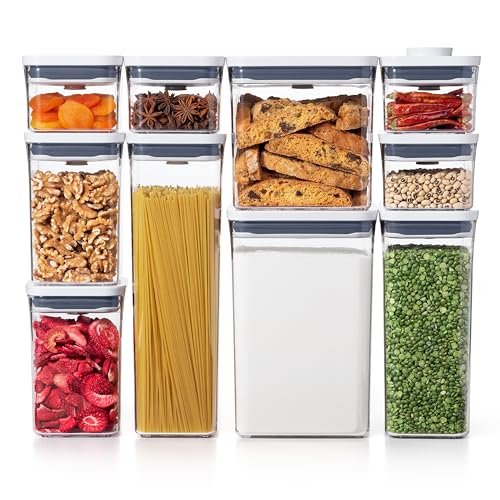
OXO POP Containers Review (2026): Worth It Over Vtopmart?
The food storage system worth committing to for a 5+ year pantry. Airtight seal extends dry-goods shelf life, modular squares save 30%…

Hydro Flask 32oz Wide Mouth Review (2026): The Apartment-to-Gym Bottle
The right insulated water bottle for apartment-plus-gym-plus-office use. 24-hour cold retention, wide-mouth opening fits ice cubes and a cleaning brush, lifetime warranty…
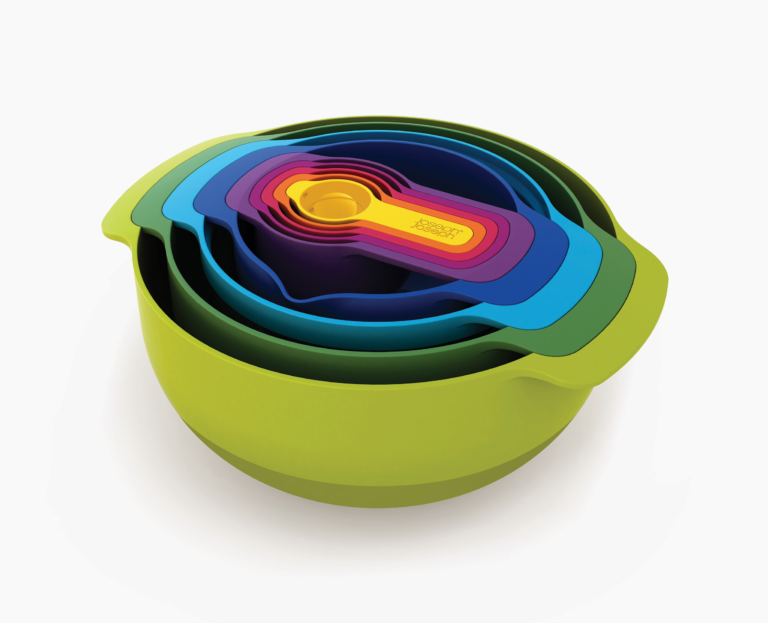
Joseph Joseph Nest 9 Plus Review (2026): The Best Nesting Bowl Set for a Small Kitchen?
Nine prep tools in the footprint of one, the right buy for small-apartment kitchens. The 2021 Plus redesign added a non-slip silicone…
READER FAVORITES
Most clicked this month
The products readers actually go check prices on, from our own click counter. Updated weekly.
Kitchen coverage on this site is built around a specific constraint: most readers are cooking in 24 to 36 inches of counter space, with four to six feet of cabinet storage, in a rental they can’t renovate. The picks here are the tools that earn that real estate. The standard “set up your kitchen” advice (stand mixer, knife block, espresso machine, 5-piece pot set) wants 80 inches of counter and works for maybe 1 in 10 apartment cooks. We write for the other nine.
The counter-space constraint changes every pick
The single biggest factor in whether an apartment kitchen actually works is counter space. Not cabinet space, not appliance quality, not even storage capacity. Counter. The flat surface where you prep, plate, drain, and stage everything between fridge and stove.
An apartment kitchen with 32 inches of usable counter has roughly half the working surface of a typical suburban kitchen, and every tool you add either earns its footprint or steals from your prep area. The tools that earn their counter space share three properties: they do more than one job, they nest or collapse to a small storage footprint, and they outlast the apartment you bought them in. The ones that don’t earn their space are the single-purpose appliances that get used once a month (bread machine, air popper, second waffle iron, the “just in case” gadget).
Before adding anything to a struggling apartment kitchen, ask the diagnostic question: which two countertop items have you not used in the last 90 days? Move them to a cabinet, a closet, or out of the apartment. The empty counter space is what fixes the kitchen, not adding more tools.
The starter kit (under $400)
The full apartment-kitchen build is in The Renter’s Guide to Building a Functional Kitchen. The short version: a $400 starter kit covers cooking, prep, storage, and water for most apartment kitchens without the standard appliance creep. Specifically:
- One 10.25-inch cast iron skillet (Lodge, about $24). Lives on the stovetop, replaces a whole nonstick set, outlasts the apartment. The single most counter-efficient cooking surface in any kitchen.
- One nest-set of prep bowls (the Joseph Joseph Nest 9 Plus, about $45). Nine prep tools collapse to one 9.4-inch footprint. Sieve, colander, measuring cups, mixing bowls all in one stack.
- One airtight storage system (the OXO Good Grips POP containers, about $80 for a 10-piece set). Square footprints save about 30% of pantry shelf space versus round canisters. The push-button seal keeps flour, sugar, pasta, and coffee fresh longer than the bags they came in.
- One reusable water bottle (the Hydro Flask 32oz Wide Mouth, about $50). Replaces the constant trips to the sink with a glass, and holds 24 hours of cold water on a hot day.
- One chef’s knife in the $40 to $80 range. The single highest-leverage purchase in the kitchen; a sharp knife at this price tier does 90% of what a $250 Wüsthof or Shun does. Skip the knife block (counter footprint), use a magnetic strip or a drawer-mount sheath.
Total cost: about $250 to $300 depending on the knife. The ranked roundup with alternatives is in The 7 Best Kitchen Tools for a 600 sq ft Apartment.
Storage: making the few cabinets you have work
Apartment cabinet space averages about 30% less per linear foot than a suburban kitchen, mostly because the cabinets are shallower and the corner units are awkward. Three patterns recover most of the lost capacity without buying organizers that don’t fit:
Vertical pan and lid racks in cabinets that get used for cookware. Stacked pans waste 60% of cabinet height; vertical stands use the full height. About $15 for an under-cabinet pan rack on Amazon.
Tiered shelves inside pantry cabinets so you can see what’s at the back. The most common cause of food waste in apartment kitchens is buying things you already have because the back of the shelf is invisible. A two-tier riser is $10 to $15.
Clear drawer organizers for utensil drawers. Same logic as the bathroom and bedroom; clear plastic lets you see contents at a glance, opaque organizers make you dig. The Simple Houseware 6-pack at $14 is the same one we recommend across the site (full review here).
For the broader no-drill apartment-storage scope, see the apartment pillar and the no-drill storage roundup.
What to never buy for a rental kitchen
Cleaner advice than another list of products you should buy.
Bread machine. Counter footprint of a small microwave, gets used once a year, makes bread that’s no better than a $4 sheet pan loaf from the oven.
Air popper. Replaced by a saucepan with a lid for $0 of additional gear.
Second waffle iron. If you have one waffle iron, you have one too many for most apartment cooking. The countertop trade is bad.
Standing blender if you have an immersion blender. The immersion blender lives in a drawer; the standing blender wants 1 cubic foot of counter or cabinet. Pick one.
Knife block. One of the worst counter-footprint-to-utility ratios in the kitchen. A magnetic strip on the wall or a drawer-mount sheath holds the same knives in 0 inches of counter.
Five-piece nonstick pot set. Most cookware sets are 3 to 5 pots and pans you’d actually use plus 2 to 4 you wouldn’t. Buy individual pieces (one cast iron skillet, one Dutch oven, one saucepan with a lid, one stockpot) and skip the rest.
Drinking water and beverages
The water side of the apartment kitchen is usually under-thought. Tap water quality varies dramatically by building, and most renters either default to bottled water (expensive, wasteful) or filtered pitchers (slow, take fridge space).
The pattern that works for most renters: a faucet-mount filter ($25 to $40) plus an insulated 32oz bottle for daily carry. The Hydro Flask 32oz Wide Mouth at about $50 holds cold water 24 hours and hot drinks 12, fits standard cupholders, and is the bottle we point most readers to. For coffee specifically, a $15 stainless steel French press (no electric kettle needed; the stovetop kettle is a $20 universal) covers most apartment coffee setups without the espresso-machine counter footprint.
Kitchen rules that apply across the category
Buy individual, not in sets. Cookware sets include pieces you won’t use. The math always favors buying the 3 to 4 pieces you actually cook with as individual items, even at a higher per-piece cost. You’ll end up with fewer pieces overall and more cabinet space.
Heirloom-grade over convenience-grade. The cast iron skillet outlasts the apartment. The cheap nonstick set degrades in 2 to 4 years. Spending more on the small set of tools you’ll use for decades is cheaper over time than rebuying the convenience set every few years.
The 90-day test. If a kitchen tool hasn’t been used in 90 days, it doesn’t earn the storage space. The exceptions are seasonal items (turkey roaster, cookie press) and a small number of recipe-specific tools (waffle iron if you actually make waffles weekly). Most of what passes the 90-day test you already own. Most of what fails it can be donated without regret.
All kitchen coverage
Guides:
Listicles:
Reviews:
- Joseph Joseph Nest 9 Plus (nest-set prep bowls)
- OXO Good Grips POP Containers (10-piece set)
- Hydro Flask 32oz Wide Mouth
- Simple Houseware Clear Drawer Organizer (kitchen-relevant cross-pillar pick)
For broader apartment context, see the apartment pillar. For the sleep + bedroom side, see the sleep pillar and bedroom pillar.
Frequently asked questions
What’s the single highest-leverage kitchen purchase under $30? A 10.25-inch cast iron skillet (Lodge is the canonical pick at about $24). Lives on the stovetop, replaces a whole nonstick set, outlasts the apartment by years. Modern Lodge ships pre-seasoned and the maintenance is genuinely easy (wipe out after use, occasional mild-soap rinse, light oil before storing). The “no soap ever” advice is a myth.
Do I need a knife block, or is there a better storage option? Skip the knife block. The counter footprint is high and the storage capacity is low. A magnetic knife strip mounted on the wall above the prep area (or on the side of an upper cabinet) holds the same knives in 0 inches of counter. A drawer-mount sheath is the other option if you can’t mount on a wall. Both keep the knives organized and accessible without taking the counter space the block does.
What’s the kitchen-tool budget for a first apartment? About $400 for a starter kit that covers cooking, prep, storage, and water (see the listicle linked above for the full picks). You can come in under that by buying the chef’s knife and the cast iron skillet new and sourcing the rest secondhand from estate sales or thrift stores. Cast iron specifically benefits from being older; pre-1970s Lodge and Griswold cast iron is smoother than modern.
How do I keep ants and pantry moths out of dry goods in an apartment? The single best move is moving everything dry from bags into airtight containers. Flour, sugar, pasta, rice, cereal, anything in a paper or plastic bag. Pantry moths in particular can chew through paper and thin plastic, but they can’t get into a sealed plastic container like the OXO POPs. We’ve had zero pantry moth incidents in four rentals while running this system.
What kitchen tool should I get rid of first? The single-purpose appliance you haven’t used in the last 90 days. For most renters that’s the bread machine, the second waffle iron, the air popper, the panini press, or the espresso machine that lives behind two other things and never gets pulled out. The cubic foot of counter or cabinet space you recover is worth more than the appliance’s resale value.
Last updated: May 2026. Prices and product availability shift; verify on the retailer listing before you buy. For more across the site, see the apartment pillar, the bedroom pillar, or the About page.
All reviews
Hydro Flask 32oz Wide Mouth Review (2026): The Apartment-to-Gym Bottle
The right insulated water bottle for apartment-plus-gym-plus-office use. 24-hour cold retention, wide-mouth opening fits ice cubes and a cleaning brush, lifetime warranty…
OXO POP Containers Review (2026): Worth It Over Vtopmart?
The food storage system worth committing to for a 5+ year pantry. Airtight seal extends dry-goods shelf life, modular squares save 30%…
Joseph Joseph Nest 9 Plus Review (2026): The Best Nesting Bowl Set for a Small Kitchen?
Nine prep tools in the footprint of one, the right buy for small-apartment kitchens. The 2021 Plus redesign added a non-slip silicone…
No reviews match this filter combination.