Hatch Restore 3 Review (2026): The Big Button Is the Upgrade
The default first sunrise alarm clock of 2026: bright enough to matter (~250 lux at 18 inches), controlled by a dial instead of your phone, at $169.99. Free tier covers the core; Hatch+ at $4.99/mo is optional. Restore 2 owners should keep what they have.

Pros
- Big Button dial handles snooze, routines, and volume without touching a phone
- Sunrise simulation reaches roughly 250 lux at 18 inches, in the range that shifts wake-ups
- Rebuilt audio sounds fuller at the whisper volumes sleep sounds run at
- Launched at the same $169.99 the weaker Restore 2 held
Cons
- Physical brightness buttons removed; adjusting brightness now requires the app
- Full content library sits behind Hatch+ at $4.99/mo or $49.99/yr
- A steady minority of the 3,054 Amazon ratings call it expensive for what it is
- Wi-Fi and app dependence for setup and some settings
Some links on this page are affiliate links. If you buy through them we may earn a commission at no extra cost to you. This review is researched from the sources named below.
Here is the strange market moment the Hatch Restore 3 sits in: the model it replaced now costs more than it does. Hatch discontinued the Restore 2, and leftover third-party stock was listed at $239.99 on Amazon when we checked on August 11, 2026, while the newer Restore 3 sells for $169.99 direct. If you are choosing between the two today, the market has already chosen for you.
The better question is whether $169.99 for a sunrise alarm clock is money well spent at all. The consensus says yes with a footnote: 4.2 stars across 3,054 Amazon ratings, 10,000+ units moving a month, and a recurring minority who call it expensive for what it is. Both things can be true. This is the most polished phone-free wake-up device you can put on a nightstand right now, and part of its content library sits behind a subscription.
The Big Button Is the Actual Upgrade
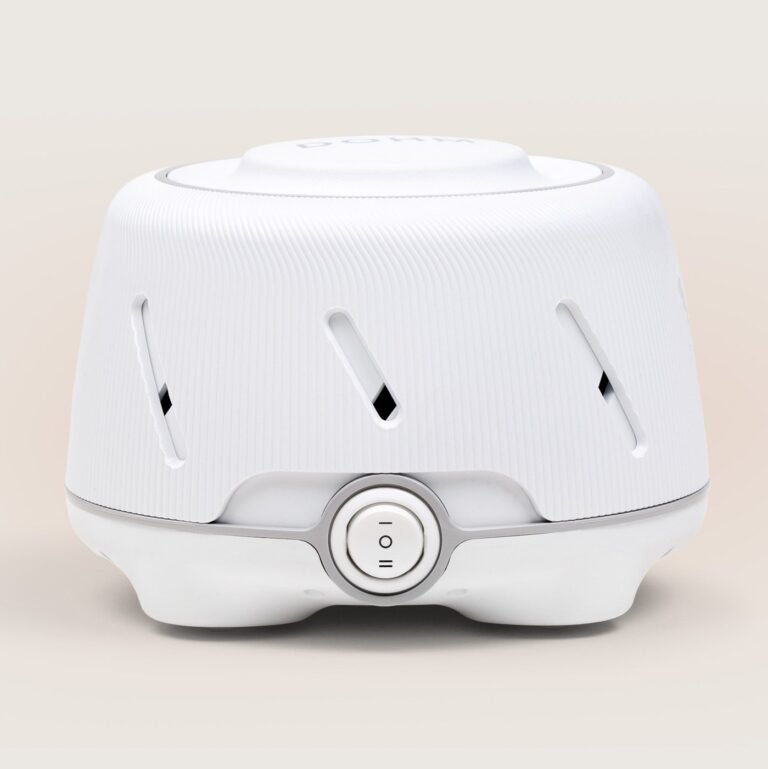
Spec sheets bury the point. The Restore 3’s defining change is a large press-and-rotate dial on top that Hatch calls the Big Button, and the testers who used both generations keep landing on it as the reason to buy. Scott Hilliard at Live Work Sleep, who ran the Restore 2 for over a year before testing the 3 side by side, initially dismissed it as a gimmick and then called it the feature he values most: press to start your wind-down routine, press to snooze, rotate to adjust volume, all without opening your eyes fully or finding your phone.
That matters because the whole premise of this device is keeping the phone out of arm’s reach at night. The Restore 2 undermined its own pitch (owners report needing the app, or a phone flashlight, to remember which touch zone did what). The 3 fixes it with hardware. There are also dedicated Swap and Pause buttons, and the Swap button cycles through three saved routines on the device itself.
Check current price on Amazon →
The Light Got Bright Enough to Matter
Sunrise simulation only shifts your wake-up if the light is strong enough, and independent testing puts the Restore 3 at roughly 250 lux from 18 inches, the range sleep researchers cite for a useful cortisol response. The Restore 2 fell short of that mark. Owners describe the difference in plainer terms: the room reads as morning before the audio starts.
One design decision cuts the other way, and it is the most legitimate gripe in the owner data: Hatch removed the physical brightness buttons the Restore 2 had on its side. Brightness on the Restore 3 is adjusted in the app. For a device whose entire sales pitch is fewer phone interactions at bedtime, that is a strange place to save a button, and side-by-side reviewers called it a step backward. Volume lives on the dial; brightness should have too.
What Hatch+ Locks, and What Stays Free
The free tier covers the core: white noise, a basic set of soundscapes, the sunrise alarm, and two saved routines. Hatch+ at $4.99 a month (or $49.99 a year) unlocks the full library, guided meditations, bedtime stories, a third routine slot, and the rotating novelty alarms (there was a stretch where you could wake up to Gilmore Girls or The Office audio, which tells you who Hatch thinks is buying).
Whether that subscription is essential is the fault line in the reviews. Hilliard ran both devices extensively and calls it helpful but skippable; the free content covers most people. Amazon’s aggregated review summary lands on the same tension, with buyers praising the wake-up results and a visible minority judging the total cost of ownership against them. Our read: budget for the hardware, try the free tier for a month, and treat Hatch+ as an upgrade you might not need. The device does its two most important jobs (light and a gentle alarm) without paying twice.
Restore 3 vs Restore 2 vs Loftie
Against its predecessor, the math is now simple: same $169.99 launch price, brighter light, rebuilt audio that owners describe as fuller and less tinny at low volume, better physical controls, and the discontinued Restore 2 selling above it from leftover stock. Our Restore 2 review stays up for owners deciding whether to upgrade, and the honest answer from testers who used both is: if your Restore 2 works, keep it. The improvements are for first-time buyers.
Against the Loftie Clock (about $170, our researched pick for strict phone-avoiders), the split is philosophy. The Loftie runs its daily use entirely on-device with no app and no required subscription, but its top light is an amber glow, not a dawn simulation. The Hatch is the one that actually lights the room. Pick by which problem is yours: phone habit, Loftie; dark-room wake-ups, Hatch. The full three-way breakdown lives in our sleep tech comparison.
Pros and Cons at a Glance
- Big Button dial handles snooze, routines, and volume without a phone
- Sunrise hits roughly 250 lux at 18 inches, bright enough to shift wake-ups
- Re-engineered speaker sounds fuller at whisper volume, where sleep audio lives
- Same $169.99 price the Restore 2 launched at
- Brightness adjustment moved into the app; the physical buttons are gone
- Full sound library needs Hatch+ at $4.99/mo, and the free tier is deliberately lean
- 4.2-star consensus includes a steady expensive-for-what-it-is minority
Where It Lands
The Restore 3 is the default recommendation for a first sunrise alarm clock in 2026: the brightest and most usable version of the idea Hatch has shipped, at the price its weaker predecessor used to hold. Skip it if you already own a working Restore 2, if a required app for brightness offends you on principle, or if you know yourself well enough to predict a canceled subscription and resent the lean free tier in advance. And if the goal is a calmer wind-down rather than a specific gadget, start with our beginner’s wind-down routine and our sunrise alarm clock rankings, where the Restore 3’s competition gets the same scrutiny.