Some links on this page are affiliate links. If you buy through them we may earn a commission at no extra cost to you. This guide is built from 2 years of r/sleep and r/sleephackers threads on what wind-down routines people actually maintain, the Sleep Foundation 2024 sleep hygiene guide, Matthew Walker’s Why We Sleep (specifically the chapter on circadian rhythm and sleep pressure), and the actual lived experience of building a sleep routine that survives a busy week.
Most wind-down routine advice fails because it asks too much. The standard guide tells you to put down your phone at 7 PM, dim the lights at 8 PM, take a warm bath at 9 PM, journal at 9:30, read fiction at 10, and be asleep by 10:30. Nobody actually does this past week three. Then you blame yourself for not being disciplined enough, when the real problem is the routine was designed for a person whose evenings are not real evenings.
This guide is the version that survives a real schedule. It assumes you have things to do in the evening, you sometimes have a glass of wine with dinner, you sometimes scroll Instagram in bed, and you sometimes go to bed at 11:45 PM when the plan was 10:30. The routine has to be robust to those failures, not erased by them.
Why most wind-down routines fail
The failure mode is almost always the same: the routine is built around aspirational best behavior (everything goes perfectly) instead of around minimum-viable habit (the smallest version that still helps). When the day gets busy and the perfect routine is impossible, the choice becomes “do the full thing or do nothing,” and nothing wins because nothing is easier.
The fix is to design two routines: a maximum routine for nights when everything goes well, and a minimum routine for nights when everything does not. The minimum routine should take 5 minutes or less and should produce 50 percent of the maximum routine’s benefit. On any given night, the question becomes “do I have 5 minutes?” instead of “do I have 90 minutes?”
The minimum-viable wind-down routine (5 minutes)
The minimum routine is three actions. They take 5 minutes total. Skip any one of them and the routine still works at 30 to 40 percent benefit. Skip two and you have nothing.
1. Phone leaves the bedroom (1 minute)
The single most-effective single change anyone can make to their sleep routine is removing the phone from the bedroom. Not silenced, not face-down, not on the nightstand. Out of the bedroom entirely, charging in the kitchen or living room. This is non-negotiable for any serious wind-down routine.
The phone wrecks sleep through three mechanisms: blue light suppresses melatonin, dopamine hits from social media spike arousal at exactly the wrong time, and the morning alarm becomes a phone-pickup trigger that pulls you into email before you are conscious. The fix is having an alarm clock that is not the phone. The Loftie Clock ($165) is what we recommend; any $20 digital alarm clock from Amazon works at the basic level.
2. Lights down (1 minute)
Bright overhead light at 10 PM tells your brain it is the middle of the day. The fix is dim, warm light for the last 90 minutes before bed, OR (the easier version) just turn off the overhead lights and use a single low-watt lamp 60 minutes before your target sleep time.
The simplest implementation: smart bulbs in lamps you already own (Philips Hue Bloom or any Govee-branded smart bulb) scheduled to dim automatically at a specific time. Cost: $25 to $40 per bulb, set it once and forget it. The light schedule does the work.
3. One hot non-caffeinated drink (3 minutes)
This is the ritual anchor. A cup of chamomile, herbal blend, warm water with lemon, or decaf tea about 60 minutes before bed. The specific drink does not matter much (chamomile has modest evidence for sleep benefit, the others are mostly placebo). What matters is the ritual itself: heating water, sitting down, drinking it slowly. Three minutes of slow physical motion paired with no screen and dim light.
This is where a good kettle pays back. The Fellow Stagg EKG ($180) makes the ritual feel intentional; a $20 plastic kettle makes it feel like work. The kettle that lives on the counter and looks good is the kettle that gets used.
The maximum wind-down routine (45 to 90 minutes)
The maximum routine layers additional behaviors on top of the minimum. Use it on nights when you have time; skip it on nights you do not. The minimum routine is the floor; the maximum is what you do when you can.
Add (in priority order)
+10 minutes of reading fiction (paper book, not Kindle). The cognitive load of fiction is high enough to interrupt rumination but low enough to relax. Non-fiction sometimes works but often turns into productivity-thinking that re-engages the worry loop. Fiction is better.
+5 to 10 minutes of stretching or yoga. The physical movement releases the day’s muscle tension. The 4-7-8 breathing exercise (4-count inhale, 7-count hold, 8-count exhale, repeat 4 times) is the most-studied single bedtime breathing technique; the Loftie Clock has it built in with light-pulse pacing if you do not want to count.
+5 minutes of journaling. The specific format matters less than doing it. A common simple format: three things that went well today, three things you are worried about tomorrow. Writing the worries down externalizes them and reduces middle-of-the-night rumination.
+20 minutes of warm shower or bath. The body cools after a warm bath, and the cooling triggers melatonin release. The Sleep Foundation specifically calls out the warm-bath cooling effect as one of the better-studied sleep hygiene interventions. Not feasible nightly for most people; reserve for hard-to-sleep nights.
Subtract (regardless of routine length)
No caffeine after 2 PM. Caffeine has a half-life of 5 to 6 hours. A 3 PM coffee still has 25 percent of its caffeine in your system at 9 PM. This is the single most-common cause of “I have trouble falling asleep” that has nothing to do with discipline or routine.
No alcohol within 3 hours of bed. Alcohol fragments sleep architecture (less REM, lighter slow-wave) even at modest doses. A glass of wine with dinner at 7 PM and 11 PM bedtime is fine. A nightcap at 10:30 PM and 11 PM bedtime is sabotage. The body still processes the alcohol, you just do not remember the bad sleep.
No big meals within 2 hours of bed. Digestion competes with sleep for blood flow and produces heat that raises core body temperature, which fights the natural cooling that triggers sleep. Light snacks are fine; the second dinner at 10 PM is not.
The room infrastructure
The routine works better with the room set up correctly. Three configurations matter:
Temperature: 65 to 68 degrees F
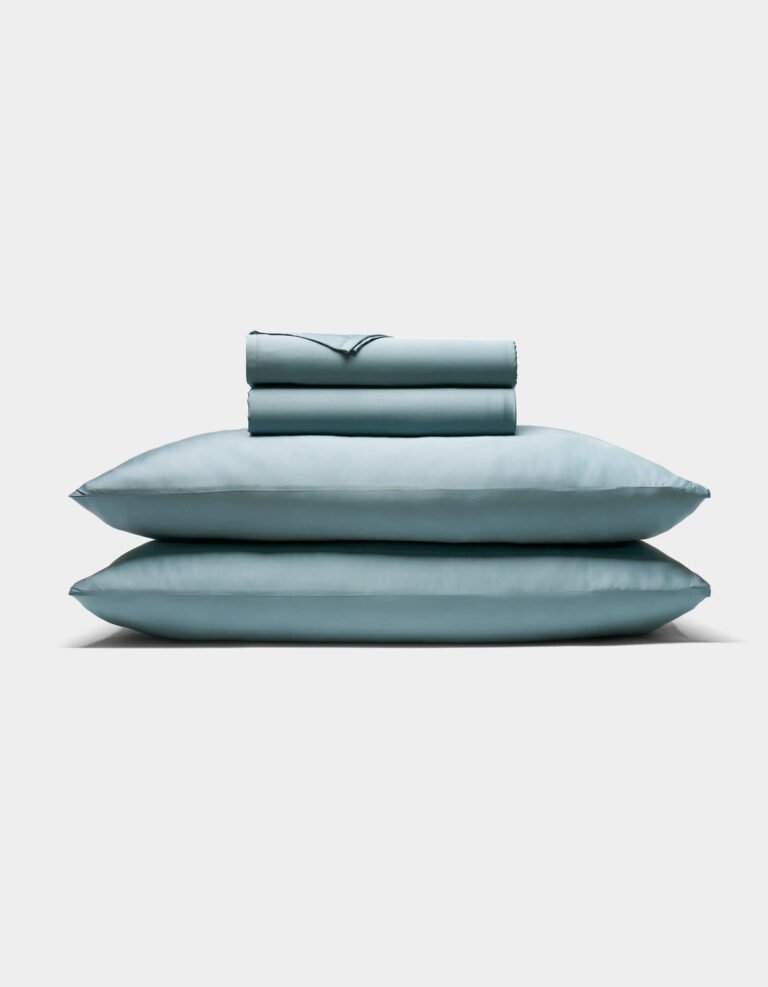
The Sleep Foundation’s research converges on 65 to 68F as the ideal bedroom temperature for sleep onset. Anything above 72F meaningfully impairs sleep quality. If you cannot control the room temperature (apartment with shared HVAC, no AC), control your bedding instead: lighter blankets, cooling sheets (Cozy Earth Bamboo or similar), a fan that moves air across the bed.
Darkness: less than 5 lux
The ambient light level in your bedroom at bedtime should be below 5 lux (lux is a unit of light intensity; for reference, full daylight is 10,000 lux and a brightly-lit office is 500 lux). Most apartment bedrooms with streetlights or window leak measure 20 to 100 lux even with curtains drawn, which suppresses melatonin enough to affect sleep quality.
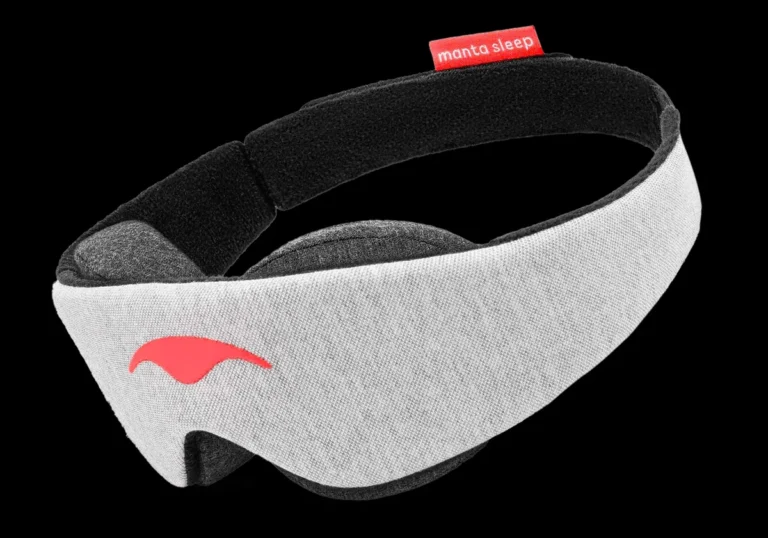
The fixes in order of cost: blackout curtains ($30 to $80), an eye mask (the Manta Sleep Mask at $35 is the room-independent solution), removing or covering any LED indicators on bedroom electronics (a small piece of black electrical tape solves this).
Sound: consistent or none
The brain wakes to inconsistent sound (sudden noise, peaks and dips) but adapts to consistent sound (white noise, fan noise, rain). If your bedroom has variable noise (HVAC cycling, neighbors, traffic), a sound machine masks the variation with consistent noise. The Yogasleep Dohm at $50 is the long-running default; the Hatch Restore 2 or Loftie Clock have soundscapes built in.
What to do when the routine fails
It will fail. You will scroll Instagram in bed. You will drink caffeine at 5 PM and not fall asleep until 1 AM. You will skip the wind-down routine three nights in a row because work was busy. This is normal and not a sign of failure; it is a sign that you have a life.
The right response to a routine failure is to do the minimum routine the next night, not to add a punishment routine to make up for it. Sleep does not work that way. You cannot make up lost sleep with extra-good behavior; you can only do tonight’s routine tonight.
The data on streak-breaking from habit research is clear: people who break a habit but resume it the next day maintain the habit long-term at near the same rate as people who never broke it. People who break it and then “start over next week” almost always abandon the habit entirely. The lesson: if you skipped Tuesday’s wind-down, do it Wednesday. Do not wait for Monday.
The five common wind-down routine mistakes
After 2 years of reading r/sleep threads and watching specific patterns repeat, five mistakes account for most failed routines. Avoiding these gets you 80 percent of the way to a working routine before adding any product.
Mistake 1: Treating the phone problem as a discipline problem instead of a hardware problem
The number of people who say “I just need to be more disciplined about not checking my phone in bed” is roughly the same as the number whose routines fail. The phone is too well-engineered to win against discipline. Move the phone to another room and the problem disappears. Most people who try this report it takes 3 to 4 nights to stop reaching for the empty nightstand spot; after that, the routine becomes easier than the old one.
Mistake 2: Optimizing the routine before building the room
Spending 90 minutes on the perfect bedtime routine in a 76-degree bedroom with streetlight leak is fighting physics with willpower. The room infrastructure (temperature, darkness, sound) does the heavy lifting; the routine just helps the brain transition. Fix the room first, then layer the routine on top.
Mistake 3: Inflexible schedules
The routine that says “phone away by 9 PM, in bed by 10 PM” fails the moment dinner runs late. The routine that says “phone away 90 minutes before sleep, lights down 60 minutes before sleep, in bed when tired” survives a late dinner. Index to the target sleep window, not to clock time.
Mistake 4: Adding products without removing friction
Buying the Loftie Clock and continuing to keep the phone on the nightstand defeats the Loftie’s purpose. Buying the Manta Sleep Mask and leaving the bedroom TV on does the same. Every product on this list works in the absence of its problem; the products do not work if you keep the problem too.
Mistake 5: Quitting after one bad night
A new routine occasionally produces a worse night before producing better nights. The brain notices the change in evening behavior and runs the “is this safe?” check, which can manifest as fragmented sleep for 2 to 4 nights. The data is clear: people who push through the first week see results in week 2. People who give up because night 3 was bad never see the benefit.
Frequently asked questions
I cannot fall asleep without TV. Is that bad? Yes, but not for the reason most sleep advice tells you. TV light is not the issue (most bedroom TVs are dim enough); the issue is the content. Action movies and dramatic news raise arousal at the wrong time. If you genuinely cannot sleep without something, audio-only options (audiobooks, podcasts, sleep-specific apps like Headspace’s Sleepcasts) work better than visual. The Soundcore Sleep A20 earbuds let a partner sleep while you listen.
I work shift work. The standard routine does not apply to me. Correct. Shift workers need a routine indexed to their actual sleep window, not to clock time. The core principles (no phone, dim light, hot drink, ritual anchor) still apply but at YOUR bedtime, not 10 PM. Blackout becomes more important because you are sleeping during daylight; the Manta Sleep Mask is borderline-mandatory for shift workers.
What about melatonin supplements? The honest answer: small doses (0.3 to 0.5 mg, NOT the 5 mg the bottles sell) about 60 minutes before bed have modest evidence for sleep-onset benefit, particularly for jet lag or shift-rotation. Larger doses are not more effective and often cause morning grogginess. Talk to a doctor before regular use; melatonin is technically a hormone.
How long until I see results? Sleep behavior changes show up in roughly 2 weeks of consistent practice. The first 3 to 5 nights of a new routine often feel worse before they feel better (the brain notices the change). Stay with it 2 weeks before deciding if a specific change is working.
What if I have actual insomnia? If your sleep problems are persistent (3+ nights per week for 3+ months) and the basic routine is not helping, talk to a sleep specialist or your primary care doctor. CBT-I (Cognitive Behavioral Therapy for Insomnia) is the first-line treatment for chronic insomnia and is more effective long-term than any of the products in this guide.
Where to start
If you have nothing in place: read the 5-Item Wind-Down Kit listicle for the physical infrastructure. Buy the Loftie Clock first (so the phone can leave the bedroom). Add the Manta Sleep Mask second (so the light leak stops fragmenting your sleep). Build the rest gradually.
If you already have a partial setup: the Loftie Clock review, Manta Sleep Mask review, and Hatch Restore 2 review go deep on the individual products. The sleep pillar covers the broader category.
Frequently asked questions
I cannot fall asleep without TV. Is that bad?
Yes, but not because of the light (most bedroom TVs are dim enough). The issue is the content; action and news raise arousal at the wrong time. Audio-only options (audiobooks, podcasts, sleep-specific apps) work better. Soundcore Sleep A20 earbuds let a partner sleep while you listen.
I work shift work. The standard routine does not apply to me.
Correct. Shift workers need a routine indexed to actual sleep window, not clock time. Core principles (no phone, dim light, hot drink, ritual) still apply but at YOUR bedtime. Blackout becomes more important because you're sleeping during daylight; the Manta Sleep Mask is borderline-mandatory for shift workers.
What about melatonin supplements?
Small doses (0.3 to 0.5 mg, NOT 5 mg) about 60 minutes before bed have modest evidence for sleep-onset benefit, particularly for jet lag or shift rotation. Larger doses are not more effective and often cause morning grogginess. Talk to a doctor before regular use; melatonin is technically a hormone.
How long until I see results?
Sleep behavior changes show up in roughly 2 weeks of consistent practice. The first 3 to 5 nights of a new routine often feel worse before they feel better (the brain notices the change). Stay with it 2 weeks before deciding if a specific change is working.
What if I have actual insomnia?
If sleep problems are persistent (3+ nights per week for 3+ months) and the basic routine isn't helping, talk to a sleep specialist or your primary care doctor. CBT-I (Cognitive Behavioral Therapy for Insomnia) is the first-line treatment for chronic insomnia and is more effective long-term than any of the products in this guide.
Does the specific tea matter?
Modestly. Chamomile has the strongest (though still modest) evidence for sleep benefit; valerian root has some evidence but tastes unpleasant; passionflower has weak evidence. The ritual matters more than the herb. Plain chamomile, herbal blends, or even warm water with lemon all work as anchors.
I miss the routine three nights in a row. Am I done?
No. The right response is to do the minimum routine the next night, not to add a punishment routine. Sleep doesn't work that way. People who resume a habit the day after breaking it maintain it at almost the same rate as people who never broke it. People who 'start over next week' almost always abandon it entirely.