Some links on this page are affiliate links. If you buy through them we may earn a commission at no extra cost to you. Product picks below link to our full reviews, which state exactly how each one was evaluated.
Nobody warns you that a dorm is a machine engineered against sleep. The walls transmit every hallway conversation, the standard-issue mattress is a vinyl-wrapped slab, the overhead light has two settings (off and interrogation), and your roommate’s schedule is not your schedule. The first weeks of the semester are when sleep matters most and when you will get the least of it.
The good news: the whole problem breaks into three fixes, they stack in a clear priority order, and the entire kit costs less than one textbook bundle. Nothing below requires drilling, nailing, or anything else your RA would write up.
Fix Sound First
Noise is the number one dorm sleep killer because it is the one you cannot control: you did not pick the hallway, the neighbors, or the roommate. Masking works better than fighting. A broadband hum under the noise softens door slams and 1 a.m. conversations enough that your brain stops flagging them as events.
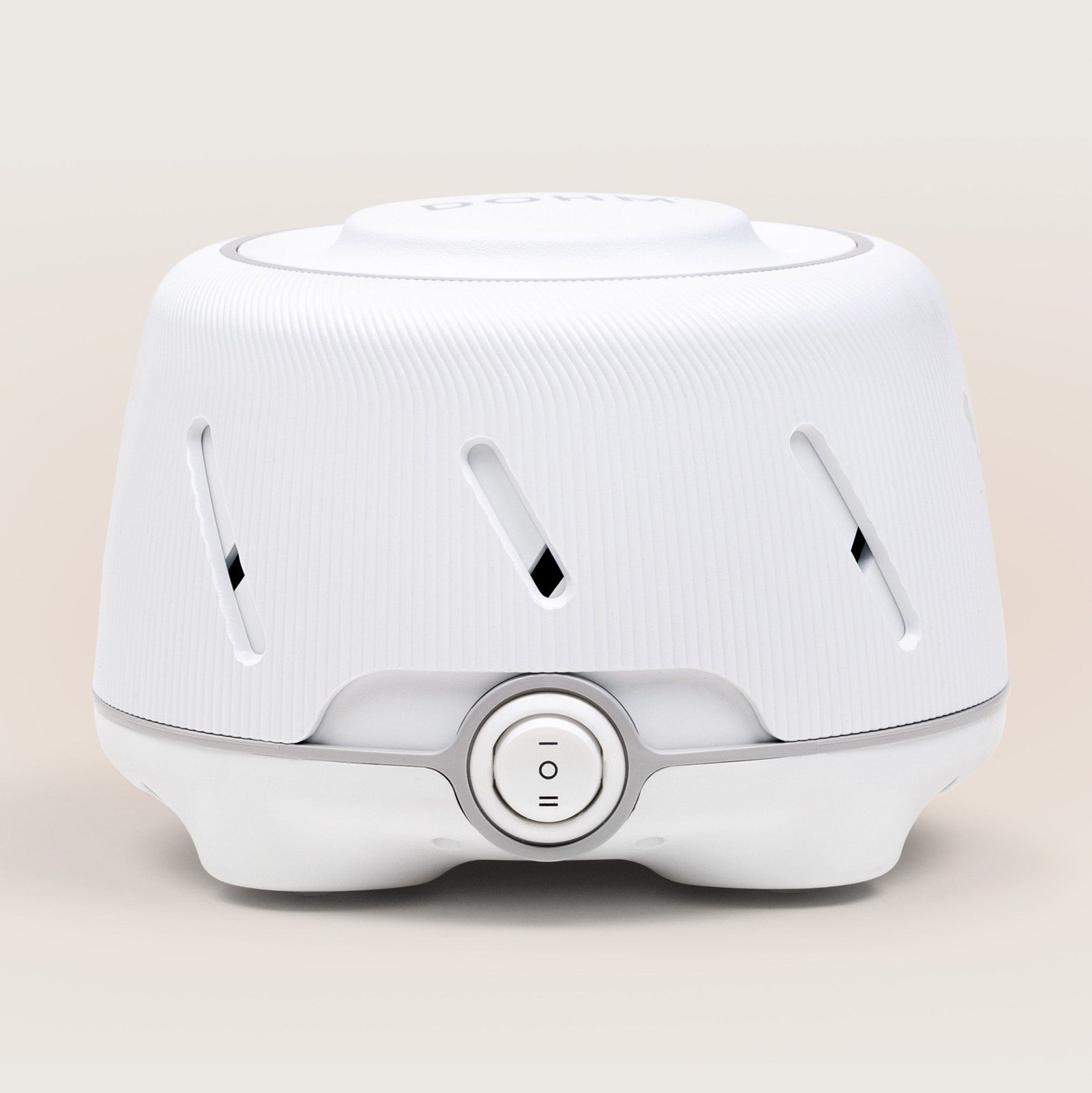
The classic answer is the Yogasleep Dohm Classic ($49.99 on Amazon), a machine that has been solving exactly this problem since 1962, back when it was called the Marpac SleepMate. It makes noise with a real fan instead of a looping recording, which matters if you are the kind of light sleeper who eventually hears the seam in a digital track. It sits at 4.6 stars across more than 40,000 Amazon ratings as of August 2026, and every fall it shows up in dorm rooms by the thousand. Our full review covers the one complaint owners actually make about it.
Budget backup: foam earplugs. Two dollars, ugly, effective, and the thing you will want anyway for the fire-alarm-at-3am nights when a hum is not enough.
Fix Light Second
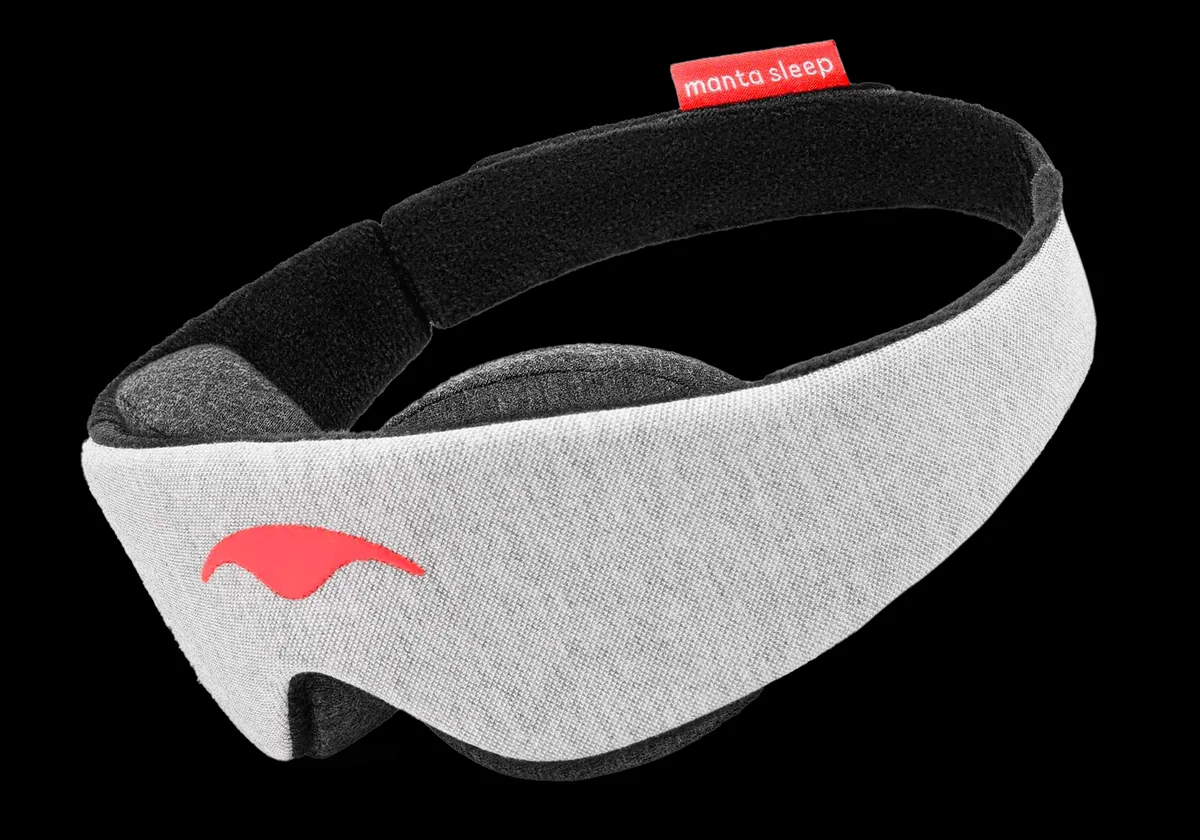
Dorm windows come with blinds that block roughly nothing, and most housing rules ban the curtain-rod hardware that would fix it properly. So skip the window and fix your face instead. A contoured sleep mask with eye cups blocks more light than any dorm-legal window treatment, works during a roommate’s desk-lamp hours, and travels home at Thanksgiving.
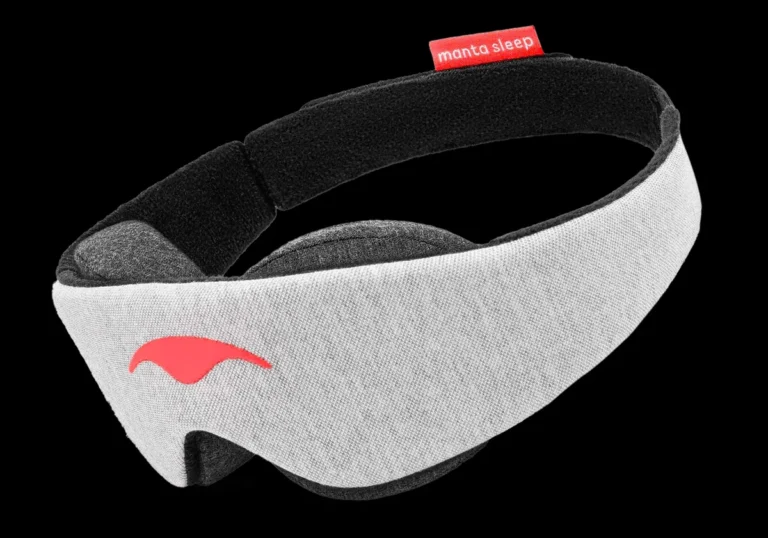
This is the one category where our recommendation comes from long personal use: the Manta Sleep Mask ($35 on Amazon) has been on our editor’s face most nights for about a year, and the full review covers what holds up and what got replaced. If your room allows tension rods inside the window frame, our renter blackout curtain guide covers the no-drill options; check your housing rules before buying anything that touches a wall.
Fix the Mattress Third

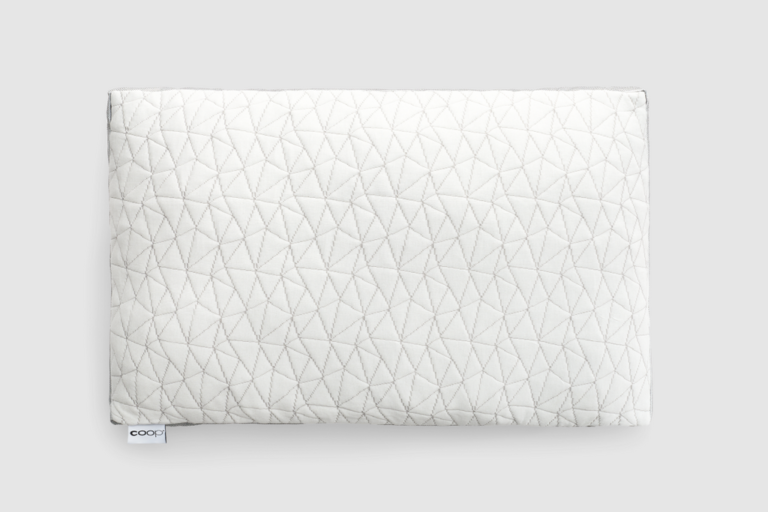
The standard dorm mattress is thin, firm, wrapped in noisy vinyl, and sized Twin XL (38 x 80 inches, five inches longer than a regular twin, which is why the sheets from home will not fit). You cannot replace it. You can bury it. A memory foam topper adds the pressure relief the slab was never going to provide, and it is the single biggest comfort upgrade per dollar in the room.
Our Linenspa 3-inch gel topper review (check Twin XL price on Amazon) covers the budget pick that keeps winning this category; make sure whatever you buy says Twin XL, not twin. Pair it with sheets actually rated for hot sleepers if your building’s AC is theoretical; our hot-sleeper bedding roundup exists for exactly that problem.
Then the Routine, Which Costs Nothing
Gear handles the environment. The remaining variable is the schedule, and it is the hard one in a building full of people awake at every hour. The moves that survive contact with college life: a consistent-ish wake time (it anchors the whole cycle better than bedtime does), screens parked at arm’s reach instead of on the pillow, and some version of a wind-down signal that tells your brain the day ended. Our wind-down kit breaks down the routine side, and all of it works in a shared room.
The Under-$150 Dorm Sleep Kit
The whole stack: Dohm Classic at $49.99, a quality contoured mask around $35, a budget Twin XL topper around $50, and foam earplugs for the change left over. Everything packs flat except the topper, nothing touches a wall, and every piece moves home with you in May. Storage for the rest of the room is a different article, and we wrote that one too: the no-drill storage guide applies to dorms as much as apartments.
Dorm Sleep Essentials, the Short Version
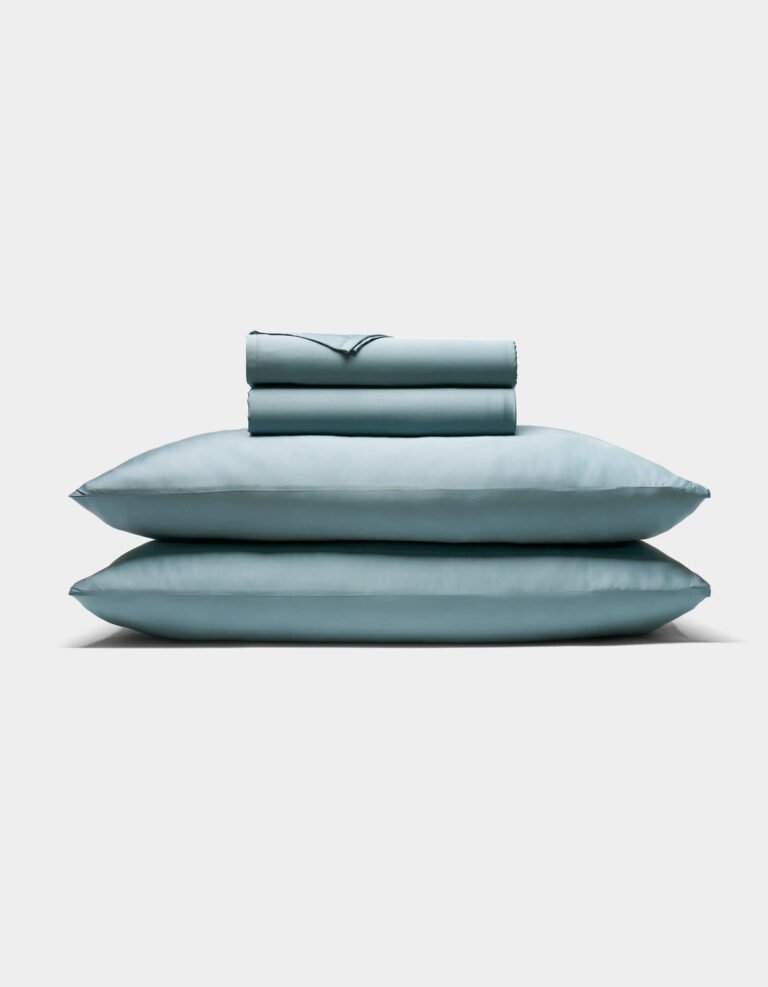
For the packing-list people, the whole kit in one place: a white noise machine for the hallway (the Dohm), a contoured sleep mask for the light (the Manta), a Twin XL memory foam topper for the mattress (the Linenspa), foam earplugs as the nuclear backup, and Twin XL sheets you actually checked the size on. Optional but smart: a power strip with USB ports, because the sound machine takes a wall socket and dorm desks never have enough.
Sleep is the one college resource nobody budgets for. A hundred and fifty dollars and one afternoon of setup buys back more of it than any productivity app you will download this semester.